
What Is the Average Park City Vacation Rental Income?
The average Park City vacation rental income ranges from $70,000 to $600,000+ annually, with top-performing Deer Valley luxury homes exceeding $800,000 depending on ski access, property type, and management strategy.
• Deer Valley: $250K–$800K+ (ultra-luxury, ski-in/ski-out homes)
• Old Town Park City: $120K–$300K (walkability + ski access)
• Canyons Village: $70K–$150K (investor-driven condos)
• Jordanelle / Deer Valley East: $80K–$220K (emerging ROI market)
The biggest driver of performance is not just location—it is execution. Pricing strategy, marketing reach, and management quality can shift revenue by 20–40% for the same property.
Summary: Park City rental income varies significantly by submarket, with Deer Valley leading in total revenue, Old Town balancing income and usage, Canyons delivering consistent occupancy, and Jordanelle emerging as a high-upside investment zone.
Park City Rental Income by Neighborhood
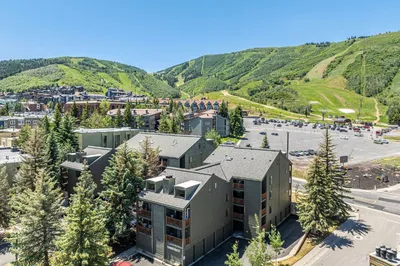
Each Park City submarket—Deer Valley, Old Town, Canyons Village, and Jordanelle—operates as a distinct investment profile with different revenue potential, occupancy patterns, and pricing power.
Deer Valley (Luxury Ski Market)
• Income: $250K–$800K+
• Occupancy: 55–70%
• ADR: $1,200–$3,500+
Deer Valley delivers the highest revenue per property in Park City, driven by ski-in/ski-out access, limited inventory, and high-spend travelers.
Explore the detailed Deer Valley rental income breakdown
Old Town Park City (Walkability Premium)

• Income: $120K–$300K
• Occupancy: 60–75%
• ADR: $700–$1,500
Old Town benefits from proximity to Main Street and Park City Mountain, creating strong year-round demand and balanced performance.
See how Old Town Park City rental income compares.
Canyons Village (Investor Condo Market)
• Income: $70K–$150K
• Occupancy: 65–80%
• ADR: $400–$900
Canyons Village prioritizes occupancy and consistency, making it attractive for investors focused on steady returns.
View Canyons Village rental income and ROI analysis.
Jordanelle / Deer Valley East (Emerging Growth Market)
• Income: $80K–$220K
• Occupancy: 50–65%
• ADR: $500–$1,200
Jordanelle is an emerging market tied to Deer Valley East expansion, offering lower entry prices with long-term appreciation and growing rental demand.
Explore Jordanelle and Deer Valley East rental projections.
Summary: Location is the single biggest driver of rental income in Park City, with each submarket operating as a fundamentally different investment profile.
Park City Rental Income by Area: Deer Valley vs Old Town vs Canyons vs Jordanelle
Each Park City submarket delivers a different balance of income, occupancy, and long-term value.
Deer Valley (Luxury Revenue Leader)
• Income: $250K–$800K+
• Occupancy: 55–70%
• ADR: $1,200–$3,500+
Old Town Park City (Balanced Performance)
• Income: $120K–$300K
• Occupancy: 60–75%
• ADR: $700–$1,500
Canyons Village (Consistency + Yield)
• Income: $70K–$150K
• Occupancy: 65–80%
• ADR: $400–$900
Jordanelle / Deer Valley East (Growth + Upside)
• Income: $80K–$220K
• Occupancy: 50–65%
• ADR: $500–$1,200
Which Area Performs Best?
• Highest revenue: Deer Valley
• Best balance: Old Town Park City
• Most consistent bookings: Canyons Village
• Strongest upside: Jordanelle
Summary: Deer Valley leads in total income, Old Town balances lifestyle and revenue, Canyons delivers consistency, and Jordanelle represents future growth.
Compare whether renting your Park City home is financially worth it.
Most Park City Rentals Underperform by 20–40%
Most Park City vacation rentals generate 20–40% less revenue than they could with optimized pricing, marketing, and management.
This gap is driven by execution—not location.
Get a Real Performance Benchmark for Your Park City Rental
Most Park City homeowners rely on market averages, but top-performing properties consistently outperform those benchmarks by a wide margin.
The difference comes down to execution:
• pricing strategy aligned with demand
• exposure across high-converting booking channels
• positioning that attracts higher-value guests
Understanding how your property compares requires a performance benchmark specific to your home—not general market averages.
Get a Free Park City Rental Performance Estimate
Summary: The difference between average and top-performing rentals in Park City is measurable—and often exceeds 20–40% annually.
Get a Free Park City Rental Performance Estimate
Summary: The gap between average and top-performing rentals in Park City is significant—and measurable when benchmarked correctly.
This gap is driven by execution, not demand.
Common causes:
• static pricing that fails to adjust to demand
• limited distribution across booking platforms
• weak listing positioning and photography
• slow response times
Learn how professional management impacts rental performance.
How to Identify Underperformance
• occupancy below 55% annually
• below-market winter nightly rates
• reliance on Airbnb or VRBO only
Summary: Most owners are not underperforming because of their property—they are underperforming because of strategy.
Get a real performance benchmark for your Park City rental.
Park City ADR by Season (Pricing Breakdown)
Nightly rates vary significantly by season and property type.
• Winter peak: $700–$1,200+ per night
• Summer: $400–$700
• Shoulder seasons: $300–$500
Luxury ski homes frequently exceed $3,000–$8,000 per night during peak holiday periods.
Summary: A disproportionate share of annual revenue is generated during peak winter pricing windows.
Typical Occupancy Rates in Park City
• Annual average: 45%–60%
• Winter: 65%–85%
• Summer: 50%–70%
• Shoulder seasons: 30%–45%
Summary: Occupancy is moderate, but high ADR during peak seasons drives total revenue.
Realistic Rental Income Examples
Example 1: Canyons Village Condo
• ADR: $450
• Occupancy: 55%
• Revenue: ~$90,000
Example 2: Old Town Ski Home
• ADR: $900
• Occupancy: 55%
• Revenue: ~$180,000
Example 3: Deer Valley Luxury Home
• ADR: $2,500+
• Occupancy: 50%
• Revenue: $450,000+
Revenue Estimation Framework
Annual Revenue = ADR × Occupancy × Nights Booked
Example:
$900 × 200 nights = $180,000
Summary: Small changes in ADR or occupancy can significantly impact total annual income.
Estimate Your Park City Vacation Rental Income
Market averages provide a baseline, but actual performance depends on your specific property.
To estimate your property’s potential:
Try the Park City Vacation Rental Income Calculator
Summary: The difference between average and top-performing properties often exceeds 20–40%.
Park City Vacation Rental ROI

Most owners use rental income to offset ownership costs rather than maximize pure investment return.
Revenue can help cover:
• mortgage payments
• property taxes
• HOA dues
• maintenance
Summary: Rental income improves cash flow, while long-term value is driven by appreciation and personal use.
FAQ
What is the average Park City vacation rental income?
The average Park City vacation rental income ranges from $70,000 to $600,000+ annually, depending on location, property type, and management strategy.
• Deer Valley: $250K–$800K+
• Old Town Park City: $120K–$300K
• Canyons Village: $70K–$150K
• Jordanelle / Deer Valley East: $80K–$220K
Summary: Income varies significantly by submarket, with Deer Valley leading in total revenue and Jordanelle emerging as a growth market.
Which Park City neighborhood generates the most rental income?
Deer Valley generates the highest rental income in Park City due to luxury homes, ski-in/ski-out access, and high nightly rates.
Old Town provides balanced income with strong occupancy, while Canyons Village offers consistent bookings and Jordanelle delivers long-term upside.
Summary: Deer Valley leads in revenue, while other areas optimize for occupancy, balance, or growth.
What impacts Park City vacation rental income the most?
The biggest drivers of rental income in Park City are pricing strategy, occupancy rate, and property positioning—not just location.
Key factors include:
• ski access (ski-in/ski-out premium)
• walkability to Main Street
• property size and layout
• amenities and design quality
• professional revenue management
Summary: Execution can shift revenue by 20–40% for the same property.
How much can a Deer Valley vacation rental earn?
A Deer Valley vacation rental typically earns between $250,000 and $800,000+ annually, with top luxury ski-in/ski-out homes exceeding this range.
These properties achieve the highest nightly rates in Park City, especially during peak winter and holiday periods.
Summary: Deer Valley produces the highest income due to luxury demand and limited inventory.
Is my Park City vacation rental underperforming?
Many Park City rentals underperform by 20–40% due to pricing, marketing, and management inefficiencies.
You may be underperforming if:
• occupancy is below 55% annually
• peak winter rates are below market benchmarks
• your listing lacks professional positioning or distribution
Summary: Underperformance is usually caused by strategy, not the property itself.
Is renting your Park City home worth it?
For most second-home owners, renting helps offset ownership costs while maintaining personal use of the property.
Rental income can cover:
• mortgage and taxes
• HOA and maintenance
• operational expenses
Summary: Renting is typically worth it when owners balance income generation with personal use and long-term appreciation.
Conclusion
The average Park City vacation rental income provides a useful benchmark—but top-performing properties consistently exceed those averages by a wide margin.
Across Deer Valley, Old Town, Canyons Village, and Jordanelle, the difference between average and top-tier performance is driven by execution: pricing strategy, marketing reach, and positioning.
Most properties do not underperform because of location—they underperform because of how they are managed.
Summary: In Park City, rental income is not fixed by the property itself. It is determined by how effectively that property is positioned, priced, and operated within the market.