

Park City Rental Income Overview
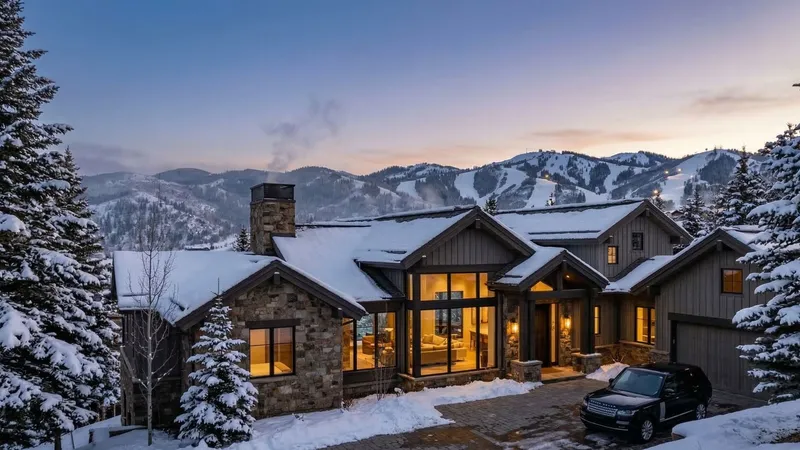
Park City vacation rental income typically ranges from $70K to $600K+ annually, depending on location, property size, and ski access. For most second-home owners, renting makes financial sense when the property sits unused for a meaningful portion of the year and is located in high-demand areas such as Deer Valley, Old Town, or Canyons Village.
In practical terms:
• Many owners offset 50 to 100 percent of annual ownership costs
• Luxury homes often generate $250K to $600K+ annually
• Execution differences create 20 to 40 percent revenue gaps between similar homes
The more relevant question is not whether renting works. It is whether the property is being used efficiently relative to its cost and value.
Owner Decision Summary
For most Park City homeowners, this is not a simple yes or no decision. It is a capital allocation decision within a lifestyle asset.
Owners are typically balancing three priorities.
Financial Efficiency
• Offsetting carrying costs such as taxes, HOA dues, and maintenance
• Generating income during unused periods
• Improving overall asset performance
Lifestyle Flexibility
• Access during peak ski weeks and holidays
• Ability to use the home on short notice
• Preserving the personal value of ownership
Asset Preservation
• Managing wear over time
• Maintaining high-end finishes and furnishings
• Protecting long-term resale value
The right approach depends on how these priorities are weighted.
Understanding Park City Vacation Rental Income
Park City operates as a high nightly rate, moderate occupancy market. Income is driven more by pricing than by maximizing bookings.
Revenue Formula
ADR × Occupancy × Nights = Annual Revenue
Typical benchmarks:
• ADR: $450 to $700 annually
• Winter ADR: $700 to $1,200+ with higher rates in luxury segments
• Occupancy: 45 to 60 percent annually
Realistic Income Scenarios
• Mid-tier home
$800 ADR × 55 percent occupancy produces roughly $150K to $180K annually
• Luxury Deer Valley home
$2,500 ADR × 50 percent occupancy produces roughly $400K to $500K+ annually
Observed ranges across Park City:
• Old Town: $120K to $250K
• Deer Valley: $250K to $600K+
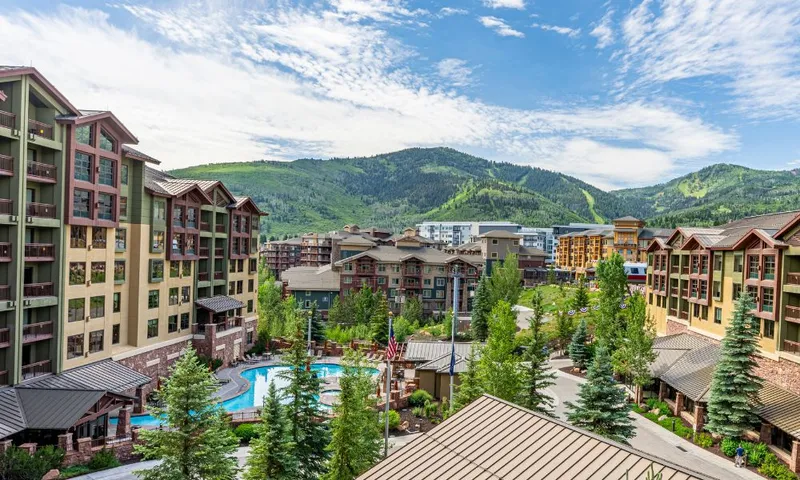
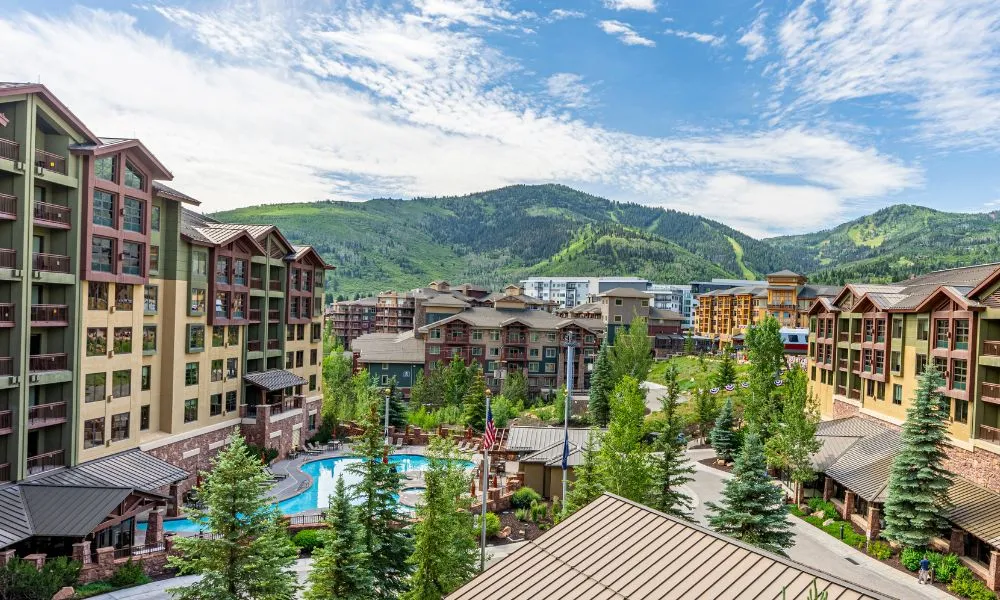
• Canyons Village: $70K to $150K
For a broader breakdown, see Park City vacation rental income guide
Why Location Drives Most Outcomes
Deer Valley
Deer Valley produces the highest revenue levels in Park City.
• Ski-in ski-out access supports premium pricing
• Guest profile is less price sensitive
• Strong holiday demand
Typical performance: $250K to $600K+ annually
Old Town
Old Town offers one of the most balanced income profiles.
• Walkable to Main Street and lifts
• Strong winter and summer demand
• Faster booking velocity
Typical performance: $120K to $250K annually
Canyons Village
Canyons Village is driven by consistency.
• Resort-based demand
• Family-friendly appeal
• Strong occupancy
Typical performance: $70K to $150K annually
Seasonality and Revenue Timing
Revenue is concentrated into specific periods.
Winter
• Primary revenue driver
• Holiday weeks can generate 20 to 30 percent of annual income
Using the home during these periods has the highest financial impact.
Summer
• Growing demand
• Lower rates but stable occupancy
Shoulder Seasons
• Lower demand
• Requires active pricing adjustments
What Owners Actually Net
Revenue alone does not determine performance.
Typical Expenses
• Management fees
• Cleaning and turnover
• Maintenance and repairs
• Utilities and HOA
• Taxes and compliance
Typical Outcomes
• Cost offset
• Break-even
• Positive income
Differences between these outcomes are usually driven by execution.
What Drives Outperformance in Park City

Most properties operate within similar demand conditions. Performance differences come from execution.
Key factors include:
• Pricing strategy that adjusts with demand and booking pace
• Understanding booking windows and when demand peaks
• Distribution across platforms with strong visibility
• Review management and response timing
• Listing quality, including photography and description
These factors work together. Small improvements across each area produce measurable differences in annual income.
Key Performance Drivers
Ski Access
• Directly impacts winter bookings
• Can significantly increase nightly rates
Walkability
• Drives year-round demand
• Especially important in Old Town
Reviews and Reputation
• Strong reviews increase conversion
• Higher ratings support stronger pricing
• Consistent responses improve visibility
Property Size
• Larger homes attract group bookings
• Longer stays improve revenue efficiency
Property Oversight and Ongoing Care
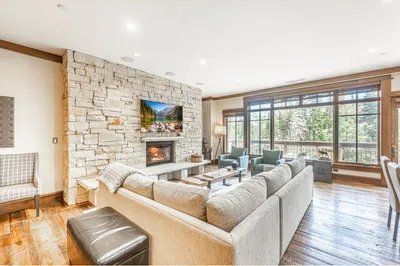
Short-term rentals require consistent oversight.
This includes:
• Routine inspections between stays
• Identifying issues early
• Coordinating repairs efficiently
• Monitoring condition over time
For out-of-state owners, this is often the most overlooked risk.
Properties that are not actively monitored tend to decline more quickly in both condition and guest experience.
Licensing, Taxes, and Compliance
Operating a vacation rental in Park City requires:
• Local licensing
• Ongoing compliance with regulations
• Proper handling of lodging taxes
These are ongoing responsibilities, not one-time setup items.
For more detail, see Park City short term rental regulations
The Tradeoffs
Wear and Tear
• Increased usage
• More frequent maintenance
Loss of Peak Use
Owners must choose between personal use and peak revenue periods.
Operational Complexity
Managing a rental requires:
• Pricing adjustments
• Guest communication
• Cleaning coordination
• Maintenance response
Owner Scenarios
Income Focused
• Minimal personal use
• Highest revenue potential
Balanced Use
• Select personal use during peak periods
• Moderate income
Lifestyle First
• Frequent use
• Lower rental income
Why Some Homes Underperform
Underperformance is rarely due to lack of demand.
More often, it comes from:
• Static pricing
• Weak listing quality
• Poor timing
• Slow response
This often results in 20 to 40% differences in annual revenue between similar homes.
Management vs Self Management
Execution determines results.
Professional management typically improves:
• Pricing accuracy
• Visibility across platforms
• Guest experience
• Property condition
Many owners evaluating this shift explore Park City vacation rental management
Distribution and Visibility
Not all listings receive equal exposure.
Performance is influenced by:
• Pricing competitiveness
• Listing quality
• Response speed
• Review history
Higher visibility leads to more bookings and stronger pricing.
Frequently Asked Questions
How much can a Park City vacation rental make?
• $70K to $150K for condos
• $120K to $250K for Old Town homes
• $250K to $600K+ for Deer Valley homes
Is renting worth it if I use the home often?
Yes, but income decreases if peak weeks are reserved for personal use.
What matters more, occupancy or nightly rate?
Nightly rate is typically the primary driver.
Does renting impact long term value?
Not directly. Condition and management quality have a greater impact.
Final Perspective
Renting a Park City vacation home is a strategic decision about how to use a high-value asset.
At a basic level:
Unused time multiplied by market rates determines income potential.
For most owners, the goal is not to maximize profit. It is to improve efficiency, offset costs, and maintain long-term value.
When managed correctly, the property supports itself financially while still serving its primary purpose as a second home.