
Old Town Park City Vacation Rental Income: What Owners Should Expect
Old Town Park City vacation rental income typically ranges from $120,000 to $250,000 annually, with performance driven by walkability, pricing strategy, and property positioning within the neighborhood.
A data-driven breakdown of rental income potential for Old Town properties, including walkability premiums, seasonal demand, and how performance compares to other Park City areas.
Old Town Park City Vacation Rental Income Overview
Old Town Park City vacation rental income typically falls between $120,000 and $250,000 per year for professionally managed properties.
Top-performing homes—especially those with strong walkability, updated interiors, and optimized pricing—can exceed this range by 20% to 40%.
For a broader market comparison, see our Park City vacation rental income guide.
Is Old Town a Good Investment for Vacation Rental Income?
Old Town is one of the most balanced and reliable vacation rental markets in Park City, but performance varies significantly based on execution.
Most properties underperform not because of weak demand, but due to:
• Static pricing strategies
• Poor listing positioning
• Weak photo quality
• Lack of revenue optimization
Key insights for owners:
• Walkability to Main Street often drives more revenue than ski-in/ski-out access
• ADR—not occupancy—is the primary lever for increasing income
• Micro-location can impact revenue by $50,000+ annually
• Professional management frequently improves performance by 20%–40%
The key decision is not whether your home can generate income—it is whether it is operating at full performance.
How Old Town Rental Income Is Calculated
Old Town vacation rental income follows a simple framework:
ADR × Occupancy × Nights Booked = Total Revenue
In Park City, and especially in Old Town, revenue is driven more by nightly rate optimization (ADR) than maximizing occupancy.
Typical performance characteristics include:
• High ADR market
• Moderate occupancy
• Strong seasonal demand spikes
Typical Revenue Benchmarks in Old Town
Most properties in Old Town fall within the following ranges:
• Average nightly rate (ADR): $500 to $900
• Peak winter ADR: $800 to $2,500+
• Occupancy: 45% to 60%
• Nights booked: 165 to 220
• Annual revenue: $120,000 to $250,000
Performance varies significantly based on property size, location, design quality, and management execution.

Nightly Rates by Season
Winter (December through March)
• ADR: $800 to $2,500+
• Occupancy: 65% to 85%
Primary demand drivers include:
• Ski season travel
• Holiday bookings
• Early booking windows
Winter typically generates 45% to 55% of total annual revenue.
Sundance Period (January)
• One of the highest pricing windows of the year
• Longer stays and group bookings
• Premium nightly rates
While historically a major spike, overall annual performance is supported by broader demand throughout the year.
Summer (June through August)
• ADR: $400 to $800
• Occupancy: 50% to 70%
Demand drivers include:
• Hiking and biking
• Festivals and events
• Family travel
Summer has become a critical second revenue season in Park City.
Shoulder Seasons (Spring and Fall)
• ADR: $300 to $500
• Occupancy: 30% to 45%
These periods require active pricing strategy and flexible minimum stay requirements.
Revenue by Property Type
Revenue potential varies based on size and layout:
• 2–3 bedroom condos: $90,000 to $140,000 annually
• 3–4 bedroom homes: $120,000 to $200,000 annually
• 4–5 bedroom premium homes: $180,000 to $250,000+ annually
Larger homes typically outperform due to group bookings and higher nightly rates.
Walkability vs Ski Access: What Drives Revenue?
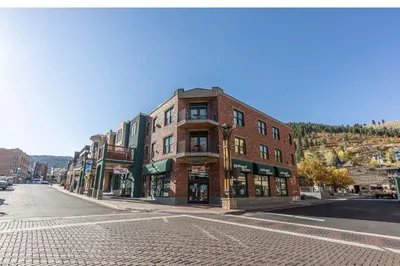
In Old Town, walkability consistently outperforms pure ski access in total revenue impact.
Walkability (Main Street Proximity)
Properties within walking distance to Main Street benefit from:
• Dining and nightlife access
• Après-ski convenience
• Year-round demand
Revenue impact:
• 10% to 25% higher nightly rates
• Stronger summer occupancy
• Better shoulder season performance
Ski Access
While proximity to lifts matters:
• Many homes are already near lifts
• Shuttle systems reduce friction
• Guests prioritize overall experience
Revenue impact:
• 10% to 20% higher ADR, primarily in winter
Key Insight
Walkability drives consistency, while ski access drives winter premiums.
The highest-performing homes combine both, but if forced to choose, walkability typically produces stronger annual results.
Old Town vs Other Park City Neighborhoods
Old Town performs differently than other Park City areas.
Compared to Deer Valley:
• Lower ADR but higher occupancy
• More consistent year-round demand
• Lower overall revenue ceiling
Compared to Canyons Village:
• Higher ADR
• More walkability-driven demand
• Less reliance on occupancy
Old Town is best described as a balanced, experience-driven market. For comparison, review Deer Valley vacation rental income to understand the premium end of the market.
Why Micro-Location Matters
Within Old Town, location has a major impact on revenue.
Typical performance differences:
• Walk to Main Street (under 5 minutes): $180K to $250K+
• Moderate walk (10–15 minutes): $140K to $200K
• Requires driving: $120K to $170K
Guests consistently prioritize convenience, which directly impacts booking conversion and pricing power.
Parking and Property Constraints
Old Town has structural limitations that affect rental performance.
Common constraints include:
• Limited parking
• No garage
• Narrow streets
• Historic layouts
Properties with better logistics tend to:
• Convert bookings more easily
• Achieve higher nightly rates
• Deliver better guest experiences
In Old Town, operational details like parking can significantly impact revenue.
Seasonality and Revenue Distribution
Annual revenue in Old Town typically breaks down as:
• Winter: 45% to 55%
• Summer: 25% to 35%
• Shoulder seasons: 10% to 20%
Understanding these patterns is essential for pricing and booking strategy.
Example Revenue Scenarios
Mid-performing property:
• ADR: $700
• Occupancy: 55%
• Nights booked: 200
• Estimated revenue: $140,000
High-performing property:
• ADR: $950
• Occupancy: 60%
• Nights booked: 220
• Estimated revenue: $209,000
These differences are typically driven by pricing strategy and execution, not demand.
Why Most Old Town Homes Underperform
Most homes do not underperform because of lack of demand—they underperform due to execution gaps.
Common issues include:
• Underpricing peak winter dates
• Poor listing presentation and photography
• Lack of dynamic pricing
• Inefficient booking strategies
How Professional Management Impacts Performance
Professional management improves performance through:
• Dynamic pricing adjustments
• Broader marketing exposure
• Consistent guest experience
• Proactive maintenance
Most professionally managed homes outperform self-managed properties by 20% to 40%. Learn how execution affects results in our Park City vacation rental management guide.
Owner Decision Framework
Old Town is a strong fit if:
• You value walkability and lifestyle
• Your home is near Main Street or lifts
• You want year-round rental consistency
Other considerations:
• Deer Valley offers higher revenue ceilings but fewer bookings
• Canyons Village offers higher occupancy but lower nightly rates
If you’re evaluating whether to rent at all, see renting a second home in Park City.
FAQ
How much can an Old Town Park City vacation rental make?
Most properties generate between $120,000 and $250,000 annually, with top performers exceeding this range.
What matters more in Old Town: walkability or ski access?
Walkability typically has a stronger impact on total annual revenue.
What drives rental income the most?
Location, property size, parking, pricing strategy, and management quality.
Conclusion
Old Town remains one of the most strategically balanced vacation rental markets in Park City.
It combines strong winter demand, growing summer performance, and unique walkability advantages.
However, performance is not automatic.
The difference between a $140,000 property and a $230,000 property is rarely demand—it is execution.
Owners who optimize pricing, positioning, and operations consistently outperform the market, often by a significant margin.