

Understanding Park City short-term rental regulations is one of the first steps many second-home owners take when deciding whether to rent their property. Owning a second home in Park City provides an opportunity to offset ownership costs through short-term vacation rentals. However, before listing a property on Airbnb, Vrbo, or similar platforms, owners must understand Park City's short-term rental regulations, licensing requirements, and lodging tax obligations.
Short-term rental rules in the Park City area vary depending on which jurisdiction governs the property. Homes marketed as “Park City vacation rentals” may actually fall under three different regulatory authorities:
• Park City Nightly Rental License
• Summit County short-term rental permit requirements
• Wasatch County vacation rental regulations
Each jurisdiction has its own requirements regarding:
• vacation rental licensing
• zoning eligibility
• occupancy limits
• parking regulations
• lodging tax compliance
In addition, HOA rules and condominium bylaws may restrict or prohibit short-term rentals even when local governments allow them.
For many second-home owners evaluating whether to rent their property, understanding these requirements is the first step in determining rental feasibility.
Owner Decision Summary
Before renting a property in Park City, owners should understand several key regulatory realities:
• Most vacation rentals require a local STR permit or business license
• Regulations differ between Park City, Summit County, and Wasatch County
• HOA restrictions frequently override local allowances
• Vacation rentals must collect Utah sales tax and transient room taxes
• Properties must comply with occupancy limits, safety standards, and parking rules
• Many jurisdictions require a local contact who can respond to complaints
For out-of-state second-home owners, who represent a large portion of Park City property owners, professional vacation rental management often helps ensure ongoing regulatory compliance.
Are Short-Term Rentals Legal in Park City?
Yes - short-term rentals are legal in many areas of Park City, but they are regulated.
Most properties rented for stays shorter than 30 days must obtain a vacation rental license and comply with local operational rules.
Typical requirements include:
• obtaining a STR license
• confirming zoning eligibility
• collecting lodging taxes
• complying with occupancy limits
• following parking rules
• complying with HOA restrictions
These regulations apply to many popular vacation rental neighborhoods including:
• Old Town
• Deer Valley
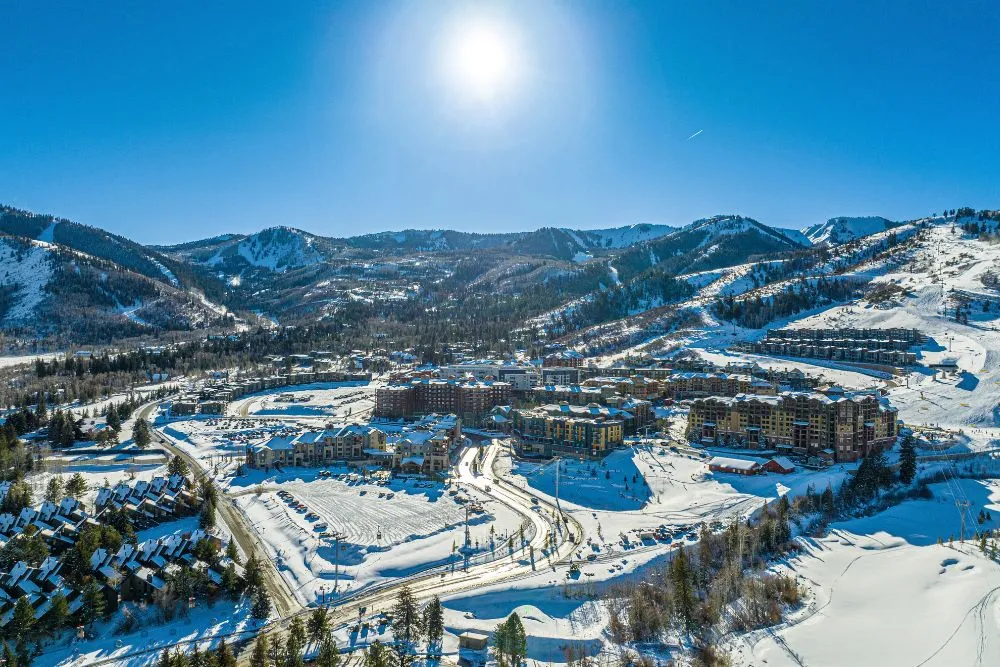
• Canyons Village
• Park Meadows
• Promontory
Park City is one of the most established luxury vacation rental markets in North America, driven by winter ski tourism, summer outdoor recreation, and a large base of affluent second-home ownership.
Why Jurisdiction Matters for Park City Vacation Rentals
One of the most common sources of confusion for second-home owners is jurisdiction.
Many homes marketed as “Park City vacation rentals” are actually located outside Park City city limits.
Area Governing Authority
Old Town Park City Municipal
Deer Vally Park City Municipal
Canyons Village Park City Municipal
Park Meadows Park City Municipal
Promontory Summit County
Jeremy Ranch Summit County
Jordanelle / Deer Valley East Village Wasatch County
Understanding which authority governs a property helps owners avoid licensing mistakes and compliance issues.
Typical Revenue Potential for Park City Vacation Rentals
Many owners research Park City short term rental (STR) regulations while evaluating whether renting their property is financially worthwhile.
Typical revenue varies based on property size, ski access, and neighborhood location.
Neighborhood Typical Annual Revenue
Old Town ski homes $120K – $250K
Deer Valley luxury homes $250K – $600K+
Canyons Village condos $70K – $150K
Park City tends to generate revenue through premium nightly rates rather than extremely high occupancy, particularly during ski season.
Factors influencing performance include:
• ski-in ski-out access
• proximity to Main Street
• property size
• luxury amenities
• professional pricing strategy
Park City Vacation Rental Licensing Requirements
Most vacation rentals operating within Park City city limits must obtain a vacation rental business license.
Licensing allows the city to ensure properties meet safety standards and operational requirements.
Step 1: Confirm Zoning Eligibility
Short-term rentals are permitted in many resort areas including:
• Old Town
• Deer Valley
• Canyons Village
However, some residential zones may restrict nightly rentals.
Step 2: Submit a STR License Application
Applications typically require:
• property ownership documentation
• designated local contact
• bedroom count and occupancy limits
• parking plan
Step 3: Safety Compliance
Common requirements include:
• smoke detectors
• carbon monoxide detectors
• fire extinguishers
• posted evacuation information
Step 4: Annual Permit Fees
STR permits typically cost $400–$900 annually depending on jurisdiction.
Step 5: Annual Renewal
Vacation rental licenses must generally be renewed annually.
Summit County Short-Term Rental Regulations
Many vacation rentals marketed as “Park City” are located in unincorporated Summit County. Summit County has increased enforcement of short-term rental regulations in recent years as vacation rental activity has expanded across the Snyderville Basin.
Examples include:
• Promontory
• Jeremy Ranch
• Snyderville Basin neighborhoods
Typical Summit County STR requirements include:
• annual STR permit
• safety compliance standards
• occupancy limits
• local emergency contact
• lodging tax registration
Wasatch County STR Rules (Jordanelle & East Village)
Properties near Jordanelle Reservoir and Deer Valley East Village are typically governed by Wasatch County.
Typical requirements include:
• short-term rental permit
• occupancy limits
• parking plan
• safety compliance
• local contact.
The Deer Valley East Village expansion is expected to significantly increase lodging demand in the Jordanelle area as new ski lifts, hotels, and resort infrastructure bring more visitors to this side of the resort.
HOA Restrictions and Community Rules
Even when local regulations allow vacation rentals, HOA rules may impose stricter restrictions.
Examples include:
Deer Valley Communities
Many Deer Valley communities regulate:
• minimum rental stays
• guest registration
• parking rules
Promontory
Promontory is a private luxury community where rental policies may include:
• rental restrictions
• guest access policies
• club membership limitations
Canyons Village
Many Canyons Village condominiums allow vacation rentals but regulate:
• guest check-in procedures
• property management requirements
Lodging Taxes for Park City Vacation Rentals
Vacation rental owners must collect several types of lodging taxes.
Tax Type Description
Utah Sales Tax State lodging tax
Local Sales Tax Local jurisdiction tax
Transient Room Tax Funds tourism promotion
Booking platforms may collect some taxes automatically, but owners remain responsible for full tax compliance.
Park City Short-Term Rental (STR) Compliance Checklist
Before listing a vacation rental, owners should confirm:
✔ property located in STR-approved zoning
✔ vacation rental permit obtained
✔ HOA rules reviewed
✔ lodging tax registration completed
✔ safety devices installed
✔ occupancy limits posted
✔ parking plan documented
✔ local contact designated
Ongoing Compliance for Park City Vacation Rentals
Obtaining a vacation rental license is only the first step.
Vacation rental operators must maintain ongoing compliance through:
• annual license renewals
• lodging tax reporting
• maintaining safety equipment
• responding to complaints
Because many Park City homes are owned by out-of-state second-home owners, professional vacation rental management companies often coordinate licensing, tax reporting, and regulatory compliance.
Park City Short Term Rental Regulation Updates
Short-term rental regulations in Park City, Summit County, and Wasatch County may change periodically as local governments update policies.
Professional vacation rental managers often coordinate licensing renewals, lodging tax reporting, and regulatory compliance for out-of-state homeowners.
Final Thoughts for Park City Vacation Rental Owners
Park City remains one of the premier mountain resort destinations in the United States, attracting ski travelers, summer outdoor visitors, and affluent second-home owners.
• world-class skiing
• summer outdoor recreation
• luxury second-home ownership
• expanding resort development near Deer Valley East Village
By understanding local regulations and maintaining compliance, property owners can confidently participate in Park City’s vacation rental market while protecting both their property and their investment.