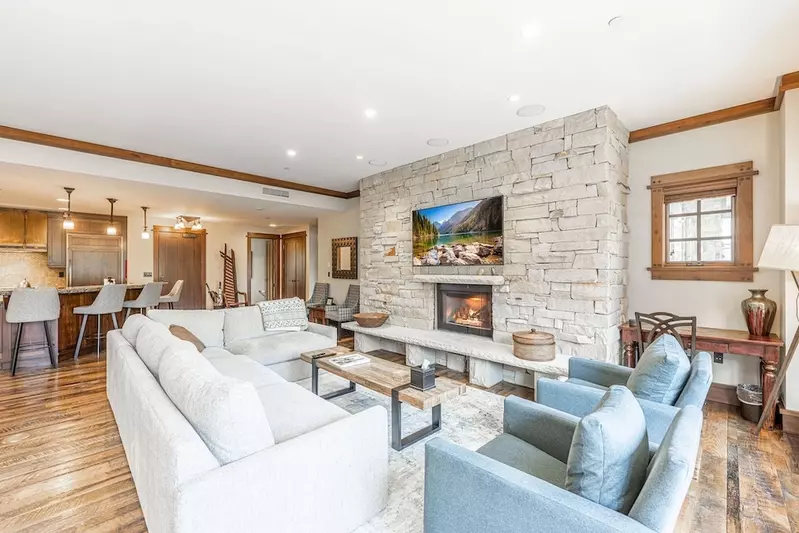

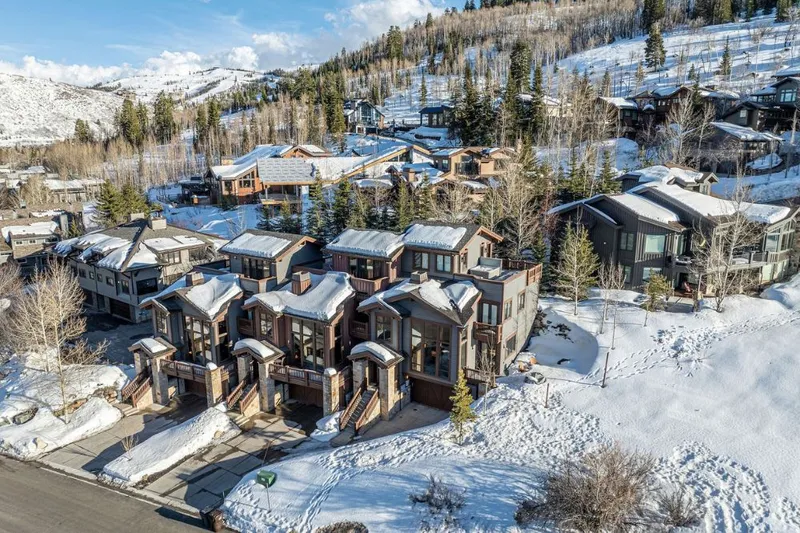
Owning a second home in Park City offers both lifestyle enjoyment and the potential to generate meaningful rental income. Many homeowners use their property for ski vacations, summer visits, and family gatherings, while renting the home when it is not in use.
Understanding Park City vacation rental income potential is often the first step for homeowners deciding whether renting their property makes financial sense.
Park City is one of the most established luxury vacation rental destinations in North America. Demand is driven primarily by winter ski tourism, summer outdoor recreation, and a large population of second-home owners who rent their homes seasonally.
For properties located in high-demand areas such as Deer Valley, Old Town, and Canyons Village, vacation rentals frequently generate six-figure annual revenue.
However, rental performance depends heavily on several factors including:
• ski access
• neighborhood location
• property size
• walkability to lifts or Main Street
• amenities and home quality
• professional management and pricing strategy
This guide explains typical Park City vacation rental income ranges, occupancy rates, and neighborhood performance patterns to help homeowners evaluate their property’s rental potential.
Where This Guide Fits in the Park City Vacation Rental Owner Guide
This article focuses specifically on rental income potential.
For a broader overview of how vacation rentals operate in the local market — including regulations, operational considerations, and property management considerations — see the Park City Vacation Rental Owner Guide
Many homeowners review the Owner Guide first, then use this income guide to evaluate the financial side of renting their property.
Owner Decision Summary
For homeowners evaluating Park City vacation rental income, several consistent patterns appear across the market.
Key insights include:
Many professionally managed Park City vacation homes generate six-figure annual rental revenue
• Ski-in ski-out homes command the highest nightly rates in the market
• Deer Valley luxury homes typically achieve the highest overall rental income
• Old Town homes benefit from both ski access and walkability to Main Street • Canyons Village condos often achieve strong occupancy due to resort amenities
Typical ranges depend heavily on location, property size, and ski access, so income figures should always be viewed as realistic estimates rather than guarantees.
What Is the Average Park City Vacation Rental Income?
Typical Park City vacation rental income varies widely depending on property type and location.
Property Type Typical Annual Revenue
Canyons Village Condos $70K – $150K
Old Town Ski Homes $120K – $250K
Deer Valley Luxury Homes $250K – $600K+
Luxury homes with exceptional ski access or large group capacity can exceed these ranges during strong seasons.
These ranges reflect typical performance patterns observed across the Park City vacation rental market.
Park City Vacation Rental Income by Bedroom Count
Another helpful way to estimate Park City vacation rental income potential is by property size.
Property Size Typical Annual Revenue
1–2 Bedroom Condos $50K – $100K
2–3 Bedroom Condos $70K – $150K
3–4 Bedroom Homes $100K – $220K
4–5 Bedroom Ski Homes $150K – $350K
5+ Bedroom Luxury Homes $250K – $600K+
Larger homes often generate higher total revenue because they accommodate multi-family travel and group ski vacations.
Estimate the Income Potential of Your Park City Vacation Rental
While market averages provide helpful context, every vacation rental in Park City performs differently depending on location, ski access, property size, and amenities.
For example:
• a ski-in ski-out Deer Valley home may achieve premium nightly rates
• a walk-to-ski Old Town property may benefit from both lift access and Main Street proximity
• a Canyons Village condominium may achieve stronger occupancy due to resort convenience
To estimate the potential rental income for your specific property, use our:
Park City Vacation Rental Investment Analysis Tool
This calculator evaluates property characteristics such as bedroom count, quality, view, and location to estimate typical annual rental income.
How the Park City Vacation Rental Market Generates Revenue
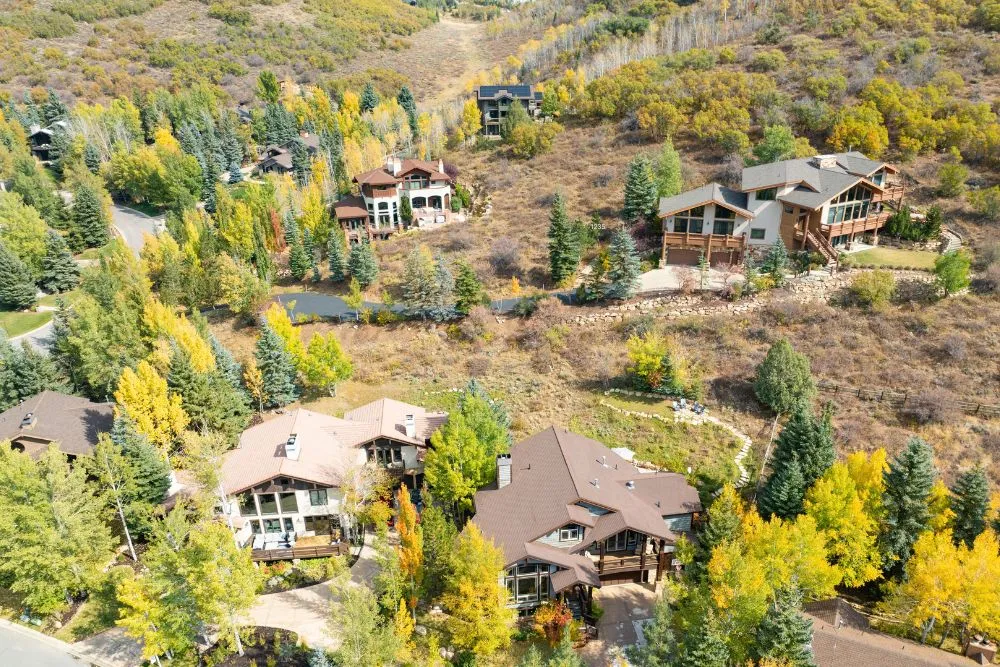
Park City’s vacation rental market is driven primarily by tourism related to skiing, outdoor recreation, and second-home travel.
Key demand drivers include:
• winter ski tourism
• luxury leisure travel
• summer outdoor recreation
• family vacation travel
• resort expansion
Unlike beach markets that rely on extremely high occupancy, Park City vacation rentals typically generate revenue through premium nightly pricing during peak demand periods.
Typical nightly rate ranges include:
Season Typical Nightly Rate
Annual Average $450 – $700
Winter Peak $700 – $1,200
Summer $400 – $700
Shoulder Season $300 – $500
Luxury homes frequently exceed these ranges during peak ski season.
Example: How Vacation Rental Income Is Calculated
Rental income typically comes from a combination of nightly rate and occupancy.
Example scenario for a Park City ski home:
Metric Example
Average Nightly Rate $900
Average Occupancy 50%
Booked Nights 182
Estimated Revenue ~$163,800
Luxury homes with higher nightly rates can generate significantly more annual income.
Factors That Influence Rental Income
Several factors consistently influence Park City rental ROI.
Ski Access
Ski access is one of the most valuable features in the Park City vacation rental market.
Properties offering:
• ski-in ski-out access
• walk to lifts
• ski shuttle access often achieves higher nightly rates and stronger winter occupancy.
Property Size
Large homes often perform particularly well because they accommodate:
• multi-family ski vacations
• group travel
• corporate retreats
Walkability
Walkable homes in Old Town Park City benefit from proximity to restaurants, shopping, and ski lifts.
This improves demand in both winter and summer travel seasons.
Amenities
Amenities strongly influence booking demand. High-performing vacation rentals typically include:
• hot tubs
• mountain views
• large kitchens
• outdoor living areas
• entertainment spaces
Park City Vacation Rental Occupancy Rates
Typical Park City vacation rental occupancy rates range between 45% and 60% annually.
Seasonal variations include:
Season Typical Occupancy
Winter Peak 65% – 85%
Summer 50% – 70%
Shoulder Seasons 30% – 45%
Because Park City is a high-ADR market, properties often generate strong revenue even with moderate occupancy levels.
Neighborhood Rental Performance
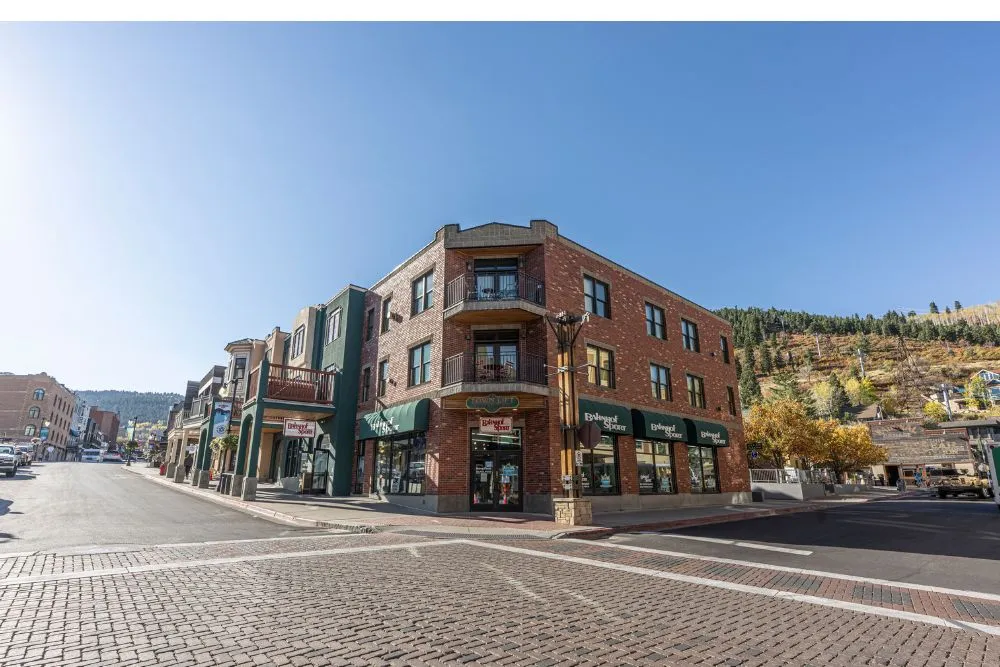
Rental performance varies significantly across Park City neighborhoods.
Deer Valley
Deer Valley is widely considered the most prestigious vacation rental location in Park City.
Typical revenue range:
$250K – $600K+ annually
Old Town
Old Town remains one of the most popular vacation rental areas due to its proximity to both skiing and Main Street.
Typical revenue range:
$120K – $250K annually
Canyons Village
Canyons Village is a modern resort district with many condominiums and ski residences.
Typical revenue range:
$70K – $150K annually
Park Meadows
Park Meadows is a residential neighborhood popular for large family vacation homes.
Promontory
Promontory is a private luxury golf community where many owners rent selectively.
Jordanelle and Deer Valley East Village
The Jordanelle area near Deer Valley East Village is experiencing significant development and is expected to see growing vacation rental demand.
Common Mistakes When Estimating Rental Income
Many homeowners researching Park City vacation rental income potential make several common assumptions.
Assuming Peak Rates Year-Round
Holiday pricing only applies to a few weeks each year.
Ignoring Seasonality
Park City experiences strong winter and summer demand but slower shoulder seasons.
Underestimating Operational Complexity
Vacation rental operations include:
• guest communication
• pricing adjustments
• housekeeping coordination
• maintenance scheduling
• regulatory compliance
When Professional Management Improves Rental Revenue
Professional management often improves rental performance through:
• pricing optimization
• marketing exposure across booking platforms
• professional photography
• guest service management
• maintenance coordination
Professional oversight also helps protect the condition of luxury homes.
Estimate the Rental Potential of Your Park City Home
Every vacation home performs differently depending on location, ski access, property size, and amenities.
Homes located in Deer Valley, Old Town, and Canyons Village often achieve the strongest demand.
To estimate rental income for your specific property: Park City Vacation Rental Investment Analysis Tool
Frequently Asked Questions About Park City Vacation Rental Income
What is the average Park City vacation rental income?
Average Park City vacation rental income varies depending on location, property size, and ski access.
Many professionally managed vacation homes generate between $100,000 and $300,000 annually, while larger luxury properties in Deer Valley or ski-in ski-out locations can exceed $400,000 to $600,000+ per year.
Typical income ranges depend heavily on property characteristics and market conditions.
What occupancy rates do Park City vacation rentals achieve?
Typical Park City vacation rental occupancy rates range between 45% and 60% annually.
Winter ski season often produces the strongest demand, while summer tourism and festivals create additional peak booking periods. Shoulder seasons typically experience lower occupancy.
Because Park City is a premium nightly-rate market, many homes generate strong revenue even with moderate annual occupancy.
Which Park City neighborhoods generate the highest rental income?
Neighborhoods that typically achieve the strongest rental income include:
• Deer Valley – luxury ski homes with premium nightly rates
• Old Town – walk-to-ski homes near Main Street
• Canyons Village – resort condominiums with strong occupancy
Newer resort areas near Deer Valley East Village and the Jordanelle are also seeing increasing demand.
Do ski-in ski-out homes earn more rental income?
Yes. Ski-in ski-out homes often achieve higher nightly rates and stronger winter demand compared with homes that require driving to the resort.
Direct ski access is one of the most valuable features in the Park City vacation rental market.
How can homeowners estimate their Park City vacation rental income?
The best way to estimate rental income is to evaluate several factors including:
• property size
• neighborhood location
• ski access
• amenities
• property condition
Homeowners can use the Park City Vacation Rental Investment Analysis Tool to estimate potential annual revenue based on these characteristics.
Together these resources provide a comprehensive overview of the Park City vacation rental market.
Continue Exploring Park City Vacation Rental Ownership
Homeowners researching rental income often also explore:
• Park City Vacation Rental Owner Guide
• Park City Short-Term Rental Regulations Guide