
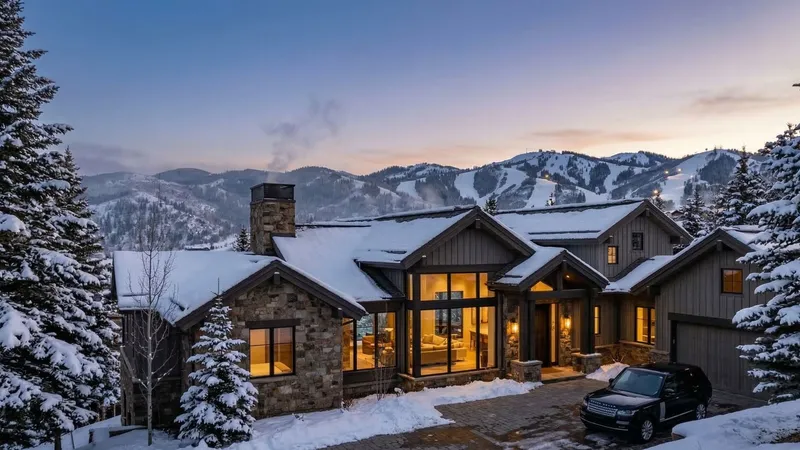
Owning a second home in Park City, Utah offers a unique combination of lifestyle enjoyment and potential rental income. Many homeowners use their property for ski vacations, summer retreats, and family gatherings while renting the home when it is not in use.
For owners in neighborhoods such as Deer Valley, Old Town, Canyons Village, Park Meadows, Promontory, and the Jordanelle area, vacation rentals can generate meaningful annual income while helping offset ownership costs.
Park City is one of the most established luxury vacation rental markets in North America. Demand is driven by winter ski tourism, summer outdoor recreation, and a large population of second-home owners who rent their properties when not in residence.
However, successful vacation rentals depend on several factors including location, ski access, property size, amenities, and professional management.
This guide explains how the Park City vacation rental market works, what realistic income expectations look like, and how homeowners can evaluate whether renting their property makes financial and operational sense.
Owner Decision Summary
For homeowners evaluating vacation rentals in Park City, several factors consistently shape outcomes
Key insights for Park City property owners include:
• Luxury homes in Deer Valley often generate $250K–$600K+ annually depending on size and ski access.
• Historic ski homes in Old Town frequently produce $120K–$250K annually due to walkability and lift proximity.
• Canyons Village condos commonly generate $70K–$150K annually depending on amenities and resort location.
• Average occupancy for professionally managed Park City vacation rentals typically ranges from 45%–60% annually.
• Ski-in ski-out access and proximity to lifts significantly increase nightly rates during winter ski season.
• Professional vacation rental management often improves both rental performance and property protection.
For many luxury second-home owners, renting selectively allows them to generate income while maintaining flexibility for personal use.
Understanding the Park City Vacation Rental Market
The Park City vacation rental market is driven by a combination of world-class ski tourism, strong seasonal travel demand, and a large concentration of luxury second-home ownership.
Unlike beach destinations that rely on extremely high occupancy rates, Park City tends to generate revenue through premium nightly rates during peak ski travel periods.
Typical benchmarks include:
| Metric | Typical Range |
|---|---|
| Average nightly rate (annual) | $450–$700 |
| Winter peak nightly rate | $700–$1,200+ |
| Annual occupancy | 45%–60% |
Luxury ski homes can exceed these ranges depending on location, amenities, and guest demand.
Many properties in Park City are owned by out-of-state homeowners who use the property seasonally and rent the home during unused periods.
How Seasonality Impacts Park City Vacation Rentals

Seasonality plays a major role in rental performance.
Winter Ski Season (December–March)
Many luxury homes generate a substantial portion of their annual revenue during just a few peak winter weeks, particularly Christmas, New Year’s, and Presidents Day.
Demand is driven by:
• ski tourism
• holiday travel
• Presidents Day weekend
• luxury winter vacations
Luxury homes near Deer Valley or Park City Mountain frequently command $2,000–$8,000 per night during peak travel weeks.
Sundance Film Festival
For many years the Sundance Film Festival produced one of the largest demand spikes in the Park City vacation rental market.
Luxury homes often book 6–12 months in advance for:
• film industry events
• corporate gatherings
• private hospitality events
Although the festival is transitioning away beginning in 2027, Park City remains a strong year-round travel destination due to its core tourism drivers.
Summer Tourism
Summer travel in Park City has grown significantly.
Visitors come for:
• mountain biking
• hiking
• outdoor concerts and festivals
• family vacations
Although nightly rates are typically lower than winter, summer occupancy remains strong.
Shoulder Seasons
Spring and fall can experience lower occupancy.
However, professional pricing strategies can help maintain steady bookings through:
• long-stay discounts
• event travel
• remote work travelers
Vacation Rental Income Potential in Park City
One of the most common questions homeowners ask is:
How much can a Park City vacation rental earn?
The answer depends heavily on location, property size, ski access, and amenities.
Typical annual revenue ranges across the market include:
| Property Type | Typical Annual Revenue |
|---|---|
| 2–3-bedroom condos | $60K – $120K |
| 3–4-bedroom homes | $100K – $200K |
| 4–5-bedroom luxury homes | $150K – $350K |
| Large luxury ski homes | $250K – $500K+ |
Performance varies significantly depending on property characteristics and management strategy.
Best Neighborhoods for Vacation Rentals in Park City
Park City includes several distinct neighborhoods, each with unique rental dynamics.
Understanding these differences helps owners evaluate potential performance.
Deer Valley
Deer Valley is widely considered the most prestigious resort area in Park City.
Typical properties include:
• ski-in ski-out estates
• luxury condominiums
• gated mountain communities
Large homes in Deer Valley often generate $250K–$600K+ annually, particularly for properties with ski-in ski-out access or proximity to Deer Valley base areas.
Old Town
Old Town is the historic ski district located near Park City Mountain Resort and Main Street.
Guests choose Old Town primarily for:
• walkability to restaurants and nightlife
• lift access
• proximity to downtown
Typical revenue range:$120K–$250K annually depending on location and size.
Canyons Village
Canyons Village is a modern resort area within Park City Mountain Resort.
Typical properties include:
• luxury condominiums
• ski-access residences
• resort developments
Typical revenue range: $70K–$150K annually depending on building location and amenities.
Park Meadows
Park Meadows is a residential neighborhood close to Old Town.
Large homes here perform well for:
• family ski vacations
• golf travel
• summer stays
These homes often appeal to larger groups seeking quieter neighborhoods.
Promontory
Promontory is a private luxury community east of Park City.
Many owners prioritize:
• privacy
• property protection
• selective rentals
Large estate homes can still command strong nightly rates during peak winter travel.
Jordanelle & Deer Valley East Village
The Deer Valley East Village expansion near Jordanelle Reservoir represents one of the most important developments in the Park City area.
New properties often include:
• modern luxury homes
• lake-view properties
• resort residences
This area is expected to become a major vacation rental market as Deer Valley expands.
Property Features That Increase Rental Revenue
Several property features consistently improve rental performance in Park City.
Important amenities include:
• ski-in ski-out access
• hot tubs
• large gathering spaces
• outdoor decks and mountain views
• high-end kitchens
• ski storage and boot rooms
Luxury travelers renting Park City vacation homes expect a high level of comfort and design.
Professional photography and staging also play a significant role in attracting bookings.
Preparing a Luxury Home for Vacation Rentals
Luxury guests typically expect:
• premium furnishings
• hotel-quality linens
• fully equipped kitchens
• outdoor living space
• professional cleaning standards
Homes that are carefully prepared and professionally maintained often receive stronger reviews and repeat bookings.
Managing a Vacation Rental Property
Operating a vacation rental involves significantly more work than many homeowners expect.
Typical responsibilities include:
• guest communication
• booking management
• dynamic pricing adjustments
• housekeeping coordination
• maintenance scheduling
• property inspections
• regulatory compliance
Many professional management companies combine dynamic pricing technology with dedicated revenue management oversight, allowing pricing strategies to be adjusted based on booking pace, local events, and seasonal demand patterns unique to the Park City market.
Effective pricing strategy in Park City requires understanding booking patterns around ski holidays, major events, and seasonal demand fluctuations.
Park City Short-Term Rental Regulations
Vacation rentals are legal in many areas of Park City and Summit County but are subject to several requirements.
These typically include:
• local rental licensing
• lodging tax collection
• zoning regulations
• HOA rules and restrictions
Some neighborhoods allow nightly rentals while others restrict them.
Understanding both local regulations and HOA rules is essential before renting a property.
Because these requirements can be complex, many homeowners choose professional vacation rental management to handle licensing, tax collection, and regulatory compliance. Proper oversight helps ensure the property remains compliant with both local regulations and HOA rules.
In markets like Park City where regulations and HOA policies can change, ongoing oversight is often just as important as initial licensing to ensure a property remains compliant year after year.
Common Mistakes Park City Vacation Rental Owners Make
Even experienced homeowners sometimes underestimate the complexity of operating a vacation rental.
Common mistakes include:
Underpricing peak ski weeks
Holiday travel often commands the highest nightly rates of the year.
Ignoring shoulder-season strategy
Spring and fall require different pricing approaches.
Poor property preparation
Luxury travelers expect well-maintained homes with updated furnishings.
Slow guest communication
Fast responses strongly influence reviews and future bookings.
Estimating the Rental Potential of Your Park City Home
Every property performs differently depending on:
• location and ski access
• number of bedrooms
• guest capacity
• amenities
• proximity to restaurants or Main Street
A detailed rental projection typically includes:
• comparable property performance
• seasonal pricing strategy
• occupancy expectations
• operational considerations
Understanding how similar homes perform in neighborhoods such as Deer Valley, Old Town, Canyons Village, and the Jordanelle area helps owners evaluate realistic rental potential.
Final Thoughts for Park City Property Owners
For many homeowners, renting a Park City property offers a practical way to offset ownership costs while still enjoying the home personally.
Before renting your home, consider:
• whether your neighborhood allows vacation rentals
• your expected personal usage of the property
• the income potential of comparable homes nearby
• the level of operational involvement you prefer
Understanding the Park City vacation rental market, and how your property fits within it is the first step toward making an informed decision.
Frequently Asked Questions
How much can a Park City vacation rental earn?
Income varies significantly depending on property size, location, and amenities. Smaller condos may generate $60K–$120K annually, while larger luxury ski homes in areas like Deer Valley can generate $250K–$600K+ per year depending on ski access and demand.
What neighborhoods perform best for vacation rentals in Park City?
Properties near ski resorts typically perform best. Areas such as Deer Valley, Old Town, and Canyons Village often generate the highest rental demand due to ski access, walkability, and proximity to restaurants and resort amenities.
Is Park City a good market for vacation rentals?
Park City is one of the most established luxury vacation rental markets in North America. Demand is driven by winter ski tourism, summer outdoor recreation, and major events, which allows many properties to generate strong nightly rates during peak travel periods.