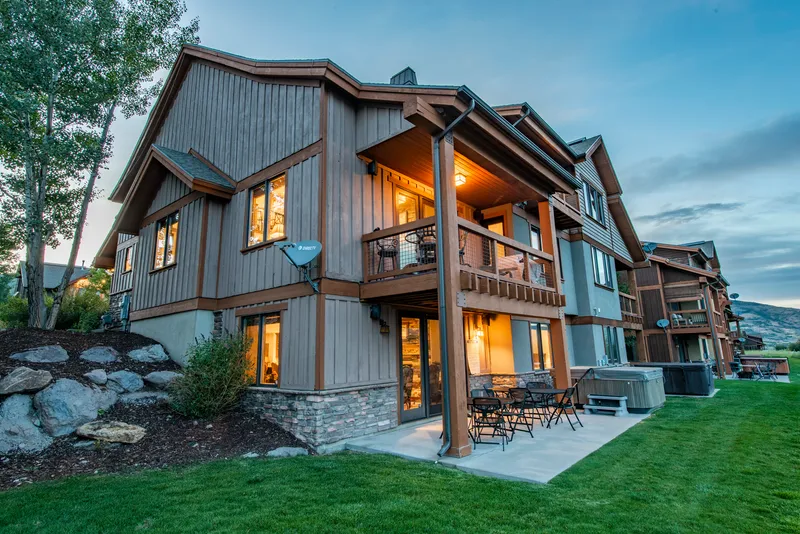

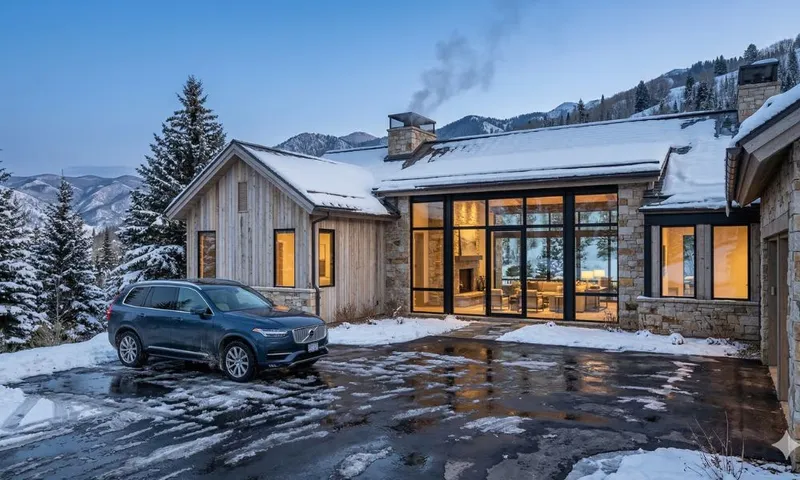
Quick Answer: Deer Valley Vacation Rental Income

Deer Valley vacation rental income typically ranges from $250,000 to $600,000+ annually, with top ski-in ski-out homes exceeding $700,000+ in strong years.
Peak winter nightly rates range from $2,000 to $8,000+, with holiday weeks often surpassing $10,000 per night.
Key Takeaways
• Winter ski season drives the majority of revenue
• Ski-in ski-out homes command the highest nightly rates
• Deer Valley operates as a high-rate, moderate-occupancy market
• Professional management can improve performance by 20–40%
What Is Deer Valley Vacation Rental Income?
If you’re considering renting your home, see I Can rent my house in Park City nightly for requirements and restrictions. Deer Valley vacation rental income refers to the annual revenue generated by renting a luxury ski home in Deer Valley, Park City.
It is primarily driven by:
• Winter ski tourism demand
• Premium nightly rates (ADR)
• Affluent traveler demographics
Unlike many vacation rental markets, Deer Valley is defined by:
• Fewer bookings
• Higher revenue per stay
• Stronger focus on guest quality and property preservation
This is what separates Deer Valley from the rest of the Park City market.
Owner Decision Summary: Should You Rent Your Deer Valley Home?
For most Park City homeowners, the real question is not:
“Can my home generate income?”
It’s:
“Should I rent my home without compromising the asset?”
For a broader breakdown across neighborhoods see our Park City Vacation Rental Guide
Key Takeaways
• Deer Valley delivers the highest rental income potential in Park City
• Most homes generate six-figure income with 45–60% occupancy
• Revenue is concentrated in a short winter season
• Poor execution can reduce income by 20–40%
Critical Insight
Two nearly identical Deer Valley homes can produce dramatically different results.
The difference comes down to:
• Pricing strategy
• Listing positioning
• Guest experience execution
Bottom Line
If your home has:
• Ski access
• 4+ bedrooms
• Updated interiors
…it is very likely underperforming without professional optimization.
How Does Deer Valley Compare to Other Park City Neighborhoods?
Deer Valley consistently produces the highest nightly rates in Park City, though with more selective occupancy.
Revenue Comparison by Neighborhood
• Deer Valley
Peak ADR: $2,000 – $8,000+
Annual Revenue: $250K – $600K+
• Old Town
Peak ADR: $800 – $2,500
Annual Revenue: $120K – $250K
• Canyons Village
Peak ADR: $400 – $1,200
Annual Revenue: $70K – $150K
• Park Meadows
Peak ADR: $700 – $1,800
Annual Revenue: $120K – $250K
Deer Valley delivers the highest revenue ceiling due to its luxury positioning and limited inventory.
Which Areas Within Deer Valley Generate the Most Rental Income?
Deer Valley Submarket Performance
• Empire Pass
Revenue Potential: Highest
Advantage: True ski-in ski-out luxury
• Silver Lake Village
Revenue Potential: Very High
Advantage: Lift proximity and prestige
• Upper Deer Valley
Revenue Potential: High
Advantage: Views, privacy, estate homes
• Lower Deer Valley
Revenue Potential: Moderate
Advantage: Shuttle access
Empire Pass properties consistently achieve the highest nightly rates in Park City.

What Are Nightly Rates for Deer Valley Luxury Homes?
Deer Valley commands the highest nightly rates in the Park City market.
ADR by Season
• Winter Peak: $2,000 – $8,000+
• Holidays: $5,000 – $10,000+
• Summer: $800 – $2,500
• Shoulder Season: $600 – $1,200
A single holiday booking can generate $40,000 to $150,000+ in revenue.
How Much Revenue Comes from Winter Ski Season?
Most Deer Valley homes generate 50% to 70% of annual income during winter.
Revenue Distribution
• Winter: 50% – 70%
• Summer: 20% – 30%
• Shoulder: 5% – 15%
Missing peak winter pricing opportunities can significantly reduce annual revenue.
How Do You Estimate Deer Valley Rental Income?
Revenue Formula
ADR × Occupancy × Nights Booked = Annual Revenue
Example
• ADR: $2,200
• Occupancy: 55%
• Nights Booked: 200
• Estimated Revenue: $440,000
Key Drivers
• Ski-in ski-out access
• Property size and bedroom count
• Interior design quality
• Pricing and booking strategy
What Does It Actually Cost to Operate a Deer Valley Rental?
This is where many owners underestimate reality. Owners should also understand Park City's short-term rental regulations and local requirements before listing their home.
Typical Expense Breakdown
• Management Fees: 20% – 35%
• Cleaning & Turnover: 10% – 20%
• Maintenance & Repairs: 5% – 10%
• Utilities & Services: 5% – 8%
• Taxes & Licensing: 5% – 10%
Example Net Income
• Gross Revenue: $400,000
• Expenses: $160K – $220K
• Net Income: $180K – $240K
Revenue alone is not the full picture—operational efficiency determines profitability.
Who Rents Deer Valley Luxury Homes?
Primary Guest Segments
• Affluent ski families
• Corporate and executive groups
• Holiday travelers
• Summer luxury travelers
Guest Expectations
• High-end interiors
• Professional cleaning standards
• Fast, responsive communication
• Seamless guest experience
What Factors Most Impact Deer Valley Rental Income?
• Ski-in ski-out homes generate the highest revenue—by a wide margin
• Larger homes outperform due to group bookings
• Outdated homes can reduce nightly rates by 20–40%
• Pricing strategy determines overall performance
Common Mistakes Deer Valley Owners Make
• Treating the property as passive income
• Underpricing peak winter dates
• Overpricing shoulder seasons
• Self-managing without professional expertise
Should You Hire a Deer Valley Vacation Rental Management Company?

For most Deer Valley homeowners, professional management significantly improves both revenue and property protection.
Managing a luxury ski home in Park City is not passive—it requires:
• Constant pricing adjustments
• Guest communication across time zones
• Housekeeping coordination
• Ongoing maintenance and inspections
Execution—not just demand—is what determines performance.
What Professional Management Actually Changes
• Higher nightly rates through dynamic pricing
• Better occupancy through multi-platform exposure
• Stronger guest experience and reviews
• Proactive maintenance and property care
Where Owners Typically Underperform
• Underpricing peak winter dates
• Missing early holiday booking windows
• Inconsistent guest communication
• Delayed maintenance response
These small gaps often compound into significant lost revenue.
Real Performance Gap
Most self-managed Deer Valley homes underperform by 20–40%.
In a market where:
• One booking can exceed $20,000–$80,000
• Peak weeks drive a large portion of annual revenue
Even minor inefficiencies can result in six-figure differences annually.
When Professional Management Makes the Most Sense
• You are an out-of-state owner
• Your home is valued at $2M+
• You rent selectively but want maximum efficiency
• You prioritize property condition and guest quality
Key Insight
In Deer Valley, the difference between average and top-tier performance is rarely the home—it’s the execution.
Bottom Line
Professional management is not just about convenience.
It is about:
• Maximizing revenue
• Protecting a high-value asset
• Delivering a consistent luxury experience
Next Step for Owners
If you are evaluating performance, it’s worth understanding how your home compares.
Because in Deer Valley:
The gap between current performance and optimized performance is often substantial.
Advanced Insight: Why Lower Occupancy Is Better
In Deer Valley, maximizing occupancy is not the goal—maximizing revenue per booking is.
• High ADR, moderate occupancy market
• Demand-driven pricing environment
• Premium guest experience focus
Top-performing homes:
• Price higher and accept fewer bookings
• Focus on high-value guests
• Reduce operational strain
Fewer, higher-quality bookings typically produce better financial outcomes and better property preservation.
Advanced Insight: Year-to-Year Revenue Variability
• Strong year: +10% to +25%
• Average year: Baseline
• Weak year: -10% to -20%
Professional management helps stabilize performance across changing conditions.
FAQ
How much can a Deer Valley vacation rental make?
$250K–$600K+ annually, depending on location and property size.
What are peak nightly rates?
$2,000–$8,000+ during ski season, with higher holiday pricing.
Is ski-in ski-out worth it?
Yes—it is the single biggest revenue driver.
What occupancy should I expect?
45%–60% annually, with higher winter demand.
Is Deer Valley better than Old Town?
For luxury rental income potential, yes.
Conclusion: Deer Valley Rental Income Potential
Deer Valley offers the highest revenue potential in Park City.
It combines:
• Premium nightly rates
• Strong winter demand
• Affluent guest demographics
However, performance depends on:
• Location
• Property quality
• Pricing strategy
• Operational execution
For a broader overview, review our Park City vacation rental owner guide.
Final Insight for Owners
Most Deer Valley homes are underperforming relative to their true income potential.
• Pricing is not optimized
• Listings are not positioned correctly
• Operations are inconsistent
In a market where one booking can exceed $20,000:
Small inefficiencies quickly become six-figure gaps.
Final Takeaway
The difference between an average and top-performing Deer Valley rental is often six figures annually.